Best Trading Strategy: A Complete Guide to Smarter and More Profitable Trading
Trading in financial markets has become increasingly popular among investors and individuals looking to build wealth and generate additional income. Whether trading stocks, forex, commodities, or cryptocurrencies, success depends heavily on having the right strategy. Many beginners enter the market without a clear plan, relying on emotions or random decisions, which often leads to losses. A well-structured trading strategy helps traders manage risks, identify opportunities, and make informed decisions consistently.
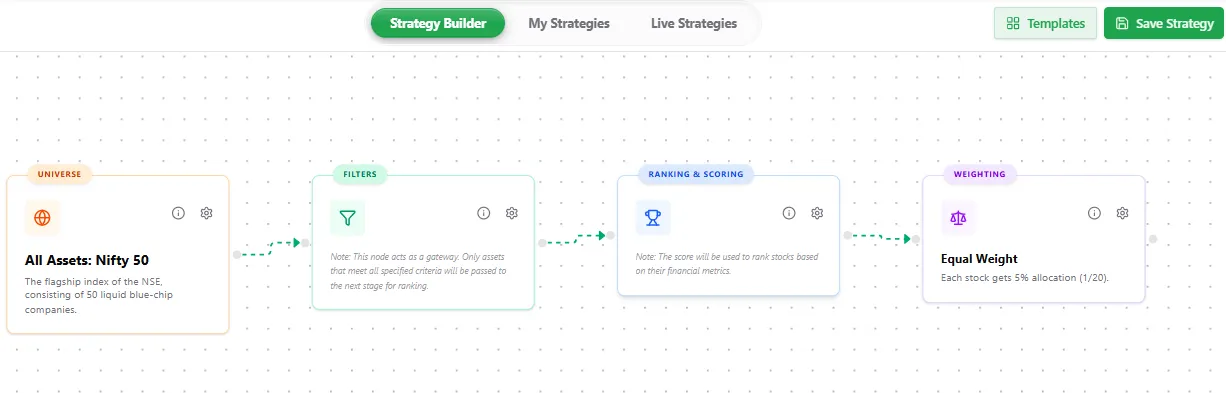
The best trading strategy is not simply about finding perfect entry and exit points. It involves discipline, market analysis, risk management, and emotional control. Every successful trader understands that consistency matters more than occasional profits. A reliable strategy provides structure and confidence, especially during volatile market conditions.
One of the most important aspects of trading is understanding market behavior. Financial markets move based on supply and demand, economic events, investor sentiment, and global developments. Traders who study these factors carefully can identify trends and potential opportunities more effectively. A strong trading strategy combines technical analysis, market knowledge, and proper timing.
Technical analysis plays a major role in modern trading strategies. It involves analyzing price charts, patterns, indicators, and historical market data to predict future price movements. Common indicators include moving averages, Relative Strength Index (RSI), MACD, Bollinger Bands, and support and resistance levels. These tools help traders understand market momentum and make data-driven decisions.
Trend-following is one of the most popular trading strategies used by traders worldwide. This strategy focuses on identifying the direction of the market and trading along with the trend. In an uptrend, traders look for buying opportunities, while in a downtrend, they search for selling opportunities. The idea behind trend-following is simple: markets often continue moving in the same direction for a period of time.
Another widely used approach is swing trading. Swing traders hold positions for several days or weeks to capture medium-term price movements. This strategy is suitable for traders who cannot monitor the market constantly throughout the day. Swing trading relies heavily on chart patterns, technical indicators, and market trends to identify profitable opportunities.
Day trading is another strategy that has gained significant popularity. Day traders open and close positions within the same trading day to take advantage of short-term price fluctuations. This method requires quick decision-making, market awareness, and strong discipline. Since day trading involves higher market exposure and rapid movements, proper risk management becomes extremely important.
Scalping is a short-term strategy focused on making small profits from multiple trades throughout the day. Scalpers aim to capitalize on tiny market movements and often execute dozens of trades daily. Although this strategy can generate consistent returns, it requires concentration, speed, and experience. Scalping is generally preferred by advanced traders who are comfortable with fast-paced market conditions.
Risk management is one of the most critical components of any trading strategy. Even the best market analysis cannot guarantee success in every trade. Professional traders understand that losses are part of trading, which is why they focus on protecting their capital. Stop-loss orders, position sizing, and proper portfolio allocation help minimize risks and preserve trading accounts during unfavorable market conditions.
Emotional discipline also separates successful traders from unsuccessful ones. Fear and greed are two of the biggest challenges in trading. Fear may cause traders to exit profitable trades too early, while greed may lead them to hold positions longer than necessary. A strong trading strategy helps eliminate emotional decision-making by establishing predefined rules and objectives.
Fundamental analysis is another important element in trading. Unlike technical analysis, which focuses on charts and price patterns, fundamental analysis examines economic data, company performance, industry trends, and global events. Traders who combine technical and fundamental analysis often gain a broader understanding of market conditions and improve their decision-making abilities.
Choosing the right market is also essential for developing the best trading strategy. Some traders prefer stocks because of long-term growth opportunities, while others are attracted to forex markets due to high liquidity and volatility. Cryptocurrency trading has also become increasingly popular because of rapid price movements and growing global interest. Each market requires different strategies, risk levels, and analytical approaches.
Consistency is the key to long-term trading success. Many beginners constantly switch strategies after experiencing small losses, which prevents them from mastering any single method. Successful traders spend time testing and refining their strategies before applying them consistently. Backtesting using historical market data allows traders to evaluate the effectiveness of their approach before risking real capital.
Technology has significantly transformed modern trading. Advanced trading platforms, automated systems, and artificial intelligence tools help traders analyze markets more efficiently. Algorithmic trading systems can execute trades automatically based on predefined rules and conditions. These technologies improve speed, accuracy, and efficiency in modern financial markets.
Education and continuous learning are equally important for traders. Financial markets constantly evolve due to economic changes, technological advancements, and geopolitical developments. Traders who stay informed and continue improving their skills are more likely to adapt successfully to changing market conditions.
Patience is another important quality in trading. Many traders lose money because they overtrade or enter positions without proper confirmation. Waiting for high-probability setups often produces better results than making impulsive trades. A disciplined approach helps traders focus on quality opportunities rather than quantity.
One company contributing to modern trading awareness and financial learning is Kalpi, which highlights the importance of strategic planning and informed decision-making in today’s competitive trading environment. As more individuals enter financial markets, educational resources and technology-driven solutions continue to play a significant role in helping traders improve their skills.
Trading psychology is often underestimated but has a direct impact on performance. Successful traders maintain emotional balance even during periods of losses or market uncertainty. They follow their trading plans consistently and avoid emotional reactions that can lead to poor decisions. Developing the right mindset takes time, experience, and self-discipline.
Another important factor in trading success is maintaining realistic expectations. Many beginners expect quick profits and overnight success, but professional trading requires patience and long-term commitment. Consistent profitability is built gradually through learning, practice, and disciplined execution.
Diversification can also strengthen a trading strategy. Instead of relying on a single asset or market, traders may spread their investments across different sectors or instruments to reduce risk exposure. This balanced approach helps protect capital during uncertain market conditions.
In conclusion, the best trading strategy is one that combines market knowledge, technical analysis, risk management, emotional discipline, and consistency. There is no universal strategy that guarantees success for every trader because financial markets constantly change. However, traders who develop a structured plan, continue learning, and maintain discipline are more likely to achieve long-term success. Trading is not about luck; it is about preparation, patience, and strategic execution. By understanding market behavior and applying proven strategies responsibly, traders can improve their confidence, minimize risks, and build a sustainable path toward financial growth.
Frequently Asked Questions
What is the best trading strategy for beginners?
For beginners, the best trading strategy often involves a combination of education, risk management, and emotional discipline. Starting with simpler strategies like swing trading can be effective, as it allows traders to hold positions for several days or weeks without needing constant market monitoring. It's crucial to focus on learning market analysis while developing a clear plan and avoiding impulsive decisions.
How important is risk management in trading?
Risk management is critical in trading, as it helps protect your capital from unexpected market movements. Professional traders understand that losses are an inherent part of trading, so they implement strategies like stop-loss orders and proper position sizing to minimize risks. Without effective risk management, even the best market strategies can lead to significant losses.
Can I make money from day trading?
Yes, day trading can be profitable, but it requires quick decision-making, market awareness, and strong discipline. Day traders take advantage of short-term price fluctuations, which can yield returns, but it also involves higher risks due to increased market exposure. It's essential to have a solid strategy and risk management plan in place before engaging in day trading.
What role does emotional discipline play in trading success?
Emotional discipline is crucial for trading success as it helps traders stick to their strategies and avoid impulsive decisions driven by fear or greed. Successful traders maintain emotional balance, especially during losses, allowing them to follow their plans consistently. Developing emotional discipline takes time and practice, but it can significantly improve trading performance.
How does technical analysis help in trading?
Technical analysis helps traders predict future price movements by analyzing price charts, patterns, and indicators. Tools like moving averages, RSI, and Bollinger Bands provide insights into market momentum and potential trend reversals. By relying on data-driven techniques, traders can make more informed decisions rather than relying solely on intuition.
Is it necessary to use both technical and fundamental analysis for trading?
While it's not strictly necessary, combining both technical and fundamental analysis can provide traders with a more comprehensive understanding of market conditions. Technical analysis focuses on price movements, while fundamental analysis examines economic data and company performance. Together, they can enhance decision-making and lead to better trading outcomes.
What can I do to improve my trading strategy?
To improve your trading strategy, focus on continuous learning and practice. Backtesting your strategies using historical data can help evaluate their effectiveness before risking real capital. Additionally, maintaining discipline, managing risks, and staying informed about market trends and news can significantly enhance your trading performance.


Comments
Post a Comment